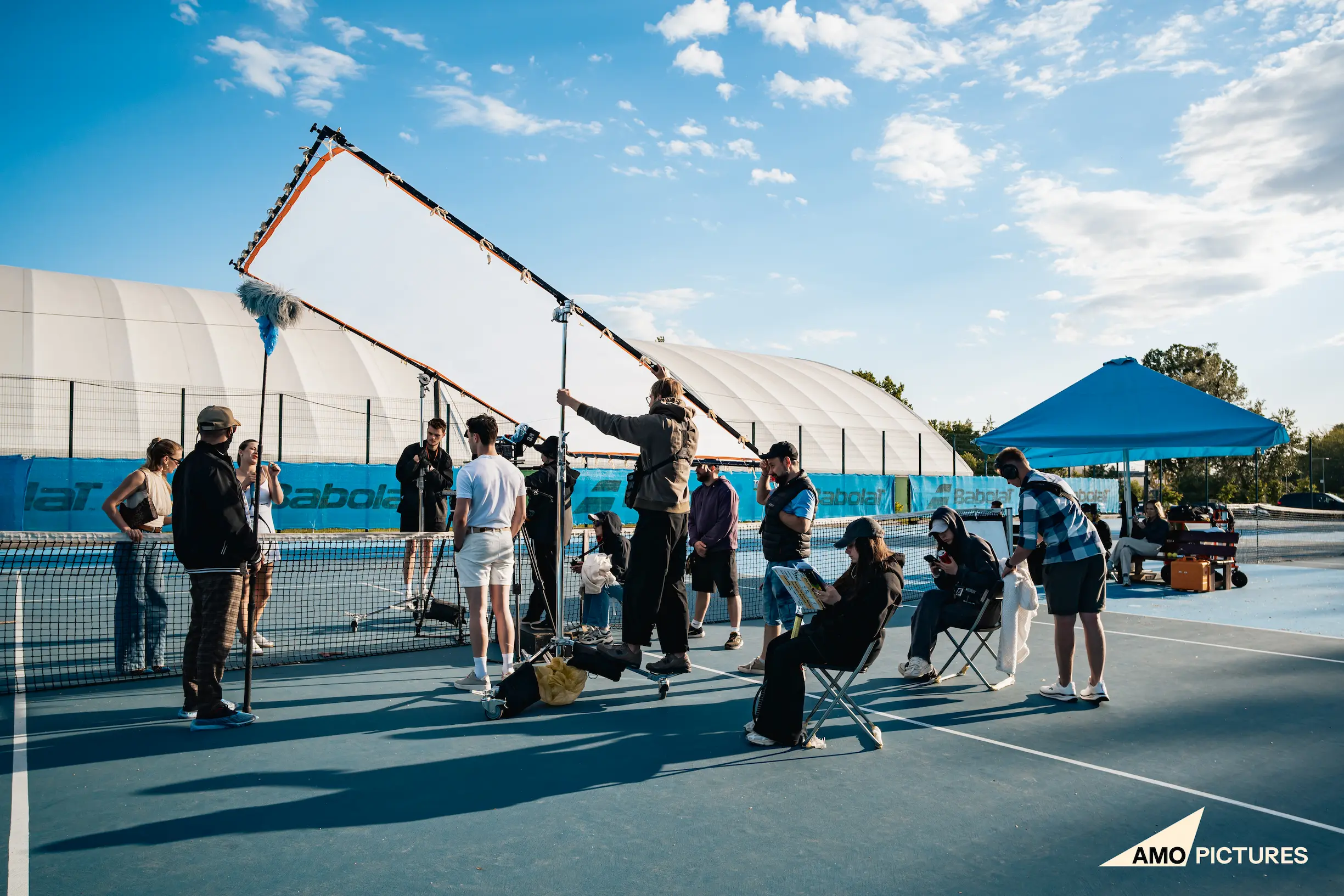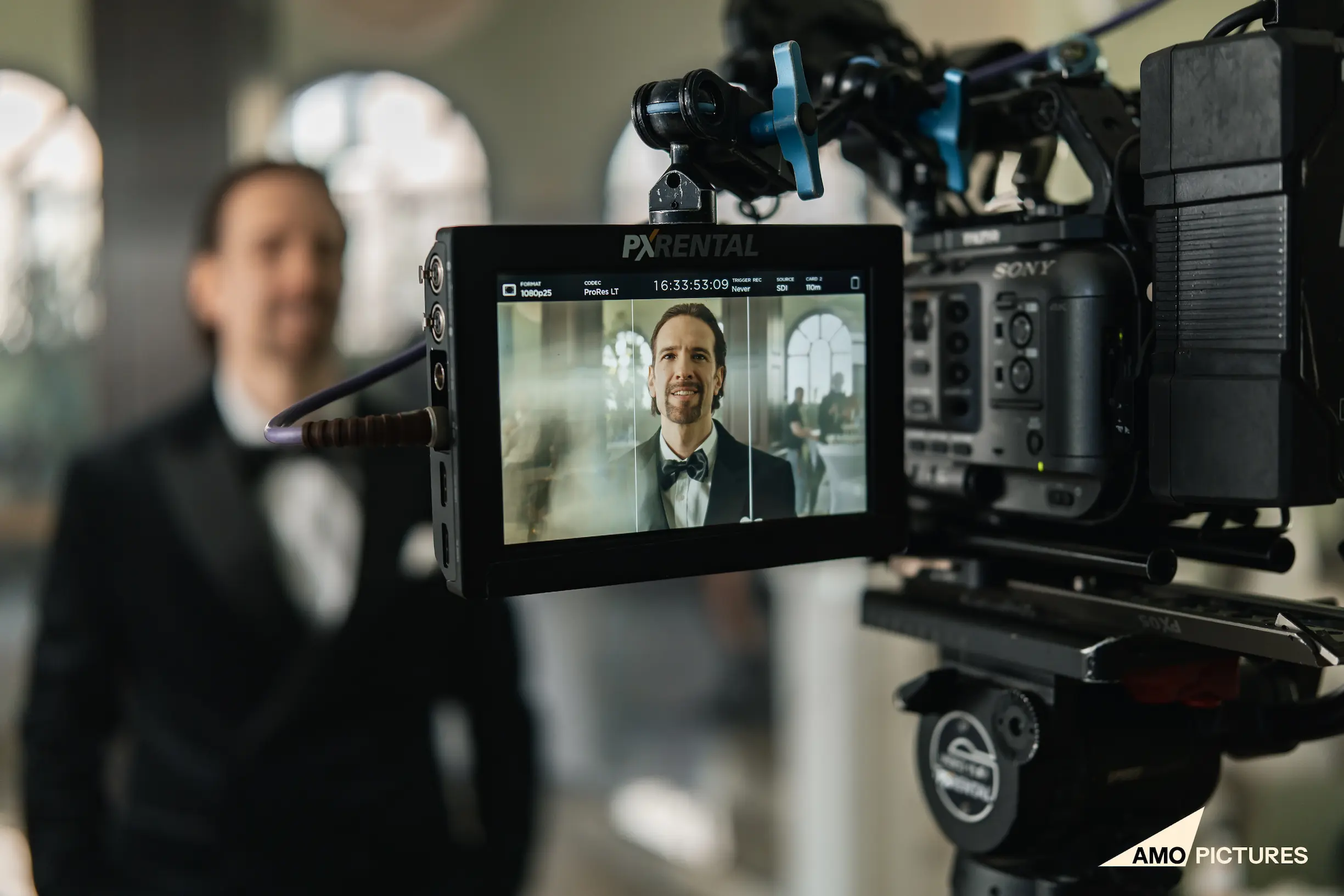
Let’s drop the Hollywood illusions. You don’t need a network executive's greenlight or a multi-million dollar studio check to launch a show anymore. But here is the reality: the internet is a brutal environment for slow storytelling. Modern viewers don't just watch digital content; they judge it in the first five seconds, scrolling away the moment a scene drags.
Because of this smartphone-first behavior, web series production has evolved from an amateur hobby into a highly specialized segment of the entertainment industry. It is a fast, metric-driven world. Your actual production strategy changes completely based on your video format, genre, episode count, runtime, platform, audience behavior, and your actual budget constraints.
We build and launch digital shows for millions of viewers, so we know exactly how messy and precise the process gets. Here is how we take a project from a script to a finished master file ready for release.
Quick Answer
To understand how to produce a web series, you must view the project as a structured, multi-stage business. The process moves through distinct phases:
Develop the concept and define your target audience.
Select your main distribution platform and video format.
Build a detailed series bible to lock in your visual and narrative rules.
Complete your script development with a focus on fast pacing.
Build an accurate line-item budget.
Design a production schedule based on batch-filming logistics.
Cast your actors and hire a nimble, skilled crew.
Secure locations, design your sets, and finalize your art direction.
Conduct your principal photography phase with strict data backups.
Execute the post-production phase, including editing, sound, and colour.
Prepare all platform-specific assets and metadata.
Launch your promotional campaign and analyze real-time viewer data.
What Is a Web Series?
A web series is a standalone episodic fiction or non-fiction project created specifically for digital distribution. Unlike a traditional TV series, a digital show operates without the rigid constraints of broadcast programming slots. Your episodes do not need to fit a strict 22-minute or 44-minute runtime to accommodate commercial breaks.
A digital show also differs fundamentally from a single online video, a social media short, or a feature film. It relies heavily on episodic storytelling. It builds long-term viewer loyalty across multiple weeks, months, or seasons. The pacing is faster, the structural hooks are sharper, and the distribution paths lead directly to YouTube, dedicated streaming platforms, or specialized mobile applications.
Feature | Web Series | Traditional TV Series | Feature Film | Short Social Video |
Primary Platform | YouTube, Streaming Apps, Web | Broadcast Networks, Cable | Theatres, Major Streamers | TikTok, Reels, Shorts |
Episode Length | 1 to 15 minutes | 22 or 44 minutes | 90 to 180 minutes (Total) | 15 to 60 seconds |
Pacing Style | Fast-paced, instant hooks | Slow build, commercial-ready | Three-act cinematic arc | Single punchline or trend |
Monetization | Ads, Subscriptions, Micro-pays | Upfront ad buys, syndication | Box office, licensing | Creator funds, brand deals |
Step 1. Develop the Web Series Concept
Every great project starts with an idea, but an idea is not enough. You need a concept that can sustain multiple episodes and keep viewers coming back for more. This initial phase is where web series development truly begins.
Define the Core Premise
Your core premise is the foundational pillar of your entire project. You must describe your show’s central conflict, setting, and main character arc in one or two clear sentences. This is your logline. If your logline is confusing, your show will lose its audience before the first episode ends.
Focus on clear stakes. What does your main character want? What prevents them from getting it? What happens if they fail? A sharp, high-stakes premise makes your project marketable and gives your writing team a clear direction.

Identify the Target Audience
You cannot make a show for everyone. If you try to please every demographic, your content will end up generic and uninspiring. Decide exactly who your project is for before you write a single word of dialogue.
Demographics. Pinpoint the precise age group, primary locations, and languages of your ideal viewers.
Platform Behavior. Study where your audience spends their time online. Do they watch long videos on desktop screens, or do they scroll through short clips on mobile devices?
Viewing Habits. Determine when they watch content. Are they looking for a deep, cinematic experience on a weekend evening, or do they want quick entertainment during their morning commute?
Step 2. Choose the Format and Distribution Platform
Your choice of platform dictates how you write, frame, shoot, and market your project. Do not separate your creative choices from your technical distribution plan. They are inextricably linked.
Horizontal Web Series. This is the standard landscape format (16:9). It is ideal for a YouTube series, Vimeo, or traditional independent streaming platforms. It allows for classic cinematic compositions, wide establishing shots, and multi-character framing.
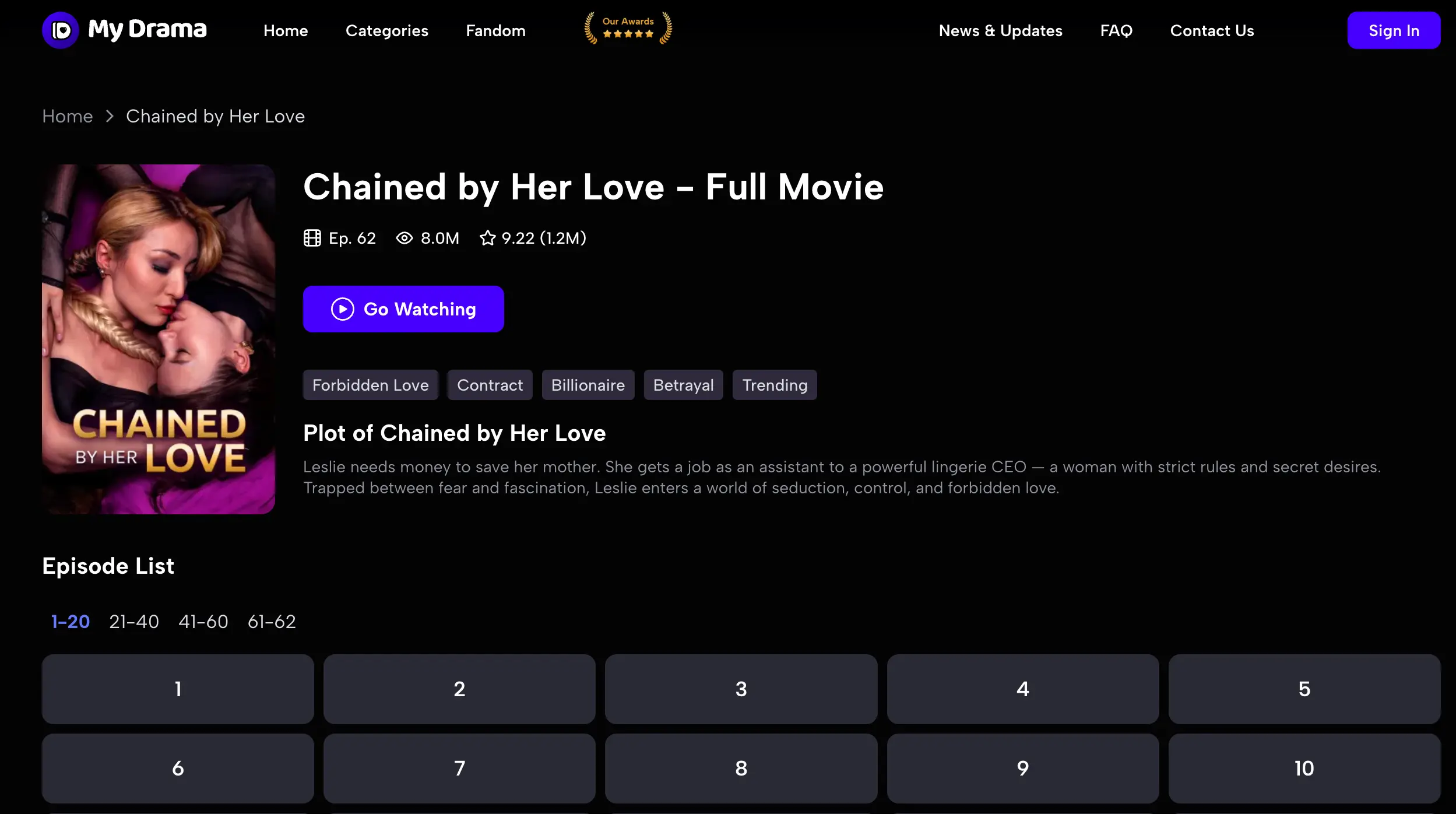
Vertical Web Series. This mobile-first format (9:16) targets specialized vertical streaming platforms like ReelShort, DramaBox, or MyDrama. It requires a completely different visual language focused on tight close-ups and immediate emotional payoffs.
Anthology Series. This setup features a completely new story, setting, and character group in every single episode or season. It works beautifully for high-concept sci-fi, horror, or drama projects.
Multi-Season Series. This format tracks an ongoing, continuous narrative arc across multiple blocks of episodes. It relies on deep character development and long-term mystery lines to build a dedicated fan base.
Step 3. Create a Series Bible
A series bible is the master reference document for your show. It acts as the blueprint that keeps your entire creative team aligned across weeks of intense production. Without it, your visual style and character voices will lose consistency.
Your master document must include a thorough breakdown of your concept, central themes, and the overarching tone of the show. Write detailed profiles for every main character. Include their background history, core motivations, interpersonal relationships, and distinct speech patterns.
Add a dedicated visual direction section. Define your chosen colour palettes, camera movement rules, lighting styles, and costume references. Finally, lay out your clear episode structure. Explain exactly how a typical episode starts, where the midpoint turn occurs, and how you plan to construct your end-of-episode cliffhangers.
Step 4. Write the Scripts
Writing for digital screens requires a ruthless editing mindset. The internet is full of distractions. A viewer can click away from your video at any second, so your script development must prioritize momentum.
Write your pilot episode first, then map out your complete episode outline for the rest of the season. Keep your scenes short and focused. Every single scene must either advance the core plot or reveal crucial character information. If a scene does neither, cut it completely.
Ensure your dialogue sounds natural, punchy, and distinctive for each character. Most importantly, build powerful hooks into the opening seconds of every episode, and close each segment with an undeniable cliffhanger that forces the viewer to play the next file.
How Web Series Scriptwriting Differs from Film Writing
Traditional feature films use a slow, three-act structure spread across two hours. They take their time establishing environments, building moods, and introducing characters gradually.
Digital episodic writing does not have that luxury. You must capture attention within the first five to ten seconds of an episode. The structural stakes must appear immediately. Your episode structure needs to deliver meaningful plot progression every two minutes, managing multiple micro-arcs within a brief runtime while keeping the broader seasonal storyline moving forward.
Step 5. Prepare the Budget
Effective budgeting is about managing your real-world resources intelligently, not just dreaming about infinite assets. You must account for every single dollar before your crew arrives on set.
Start by calculating your development and writing costs. Next, factor in competitive rates for your actors, creative crew, and production staff. Map out your physical costs: equipment rentals, location fees, permits, insurance, set design materials, costumes, and makeup supplies.
Do not forget your post-production needs, such as editing software, sound mixing, colour grading, and musical scores. Allocate a clear portion of your funds for marketing, localized subtitles, and platform delivery assets. Always keep a 10% to 15% contingency reserve in your sheet. Unexpected issues happen on every set, and your contingency budget keeps the cameras rolling when things go wrong.
Step 6. Build the Production Schedule
Time is your most expensive resource on a film set. A chaotic schedule wastes money, exhausts your crew, and damages the quality of your footage. You need a rock-solid, realistic calendar.
Determine your total number of shooting days based on your script complexity and budget limits. Use a batch production strategy to maximize efficiency. Instead of shooting your episodes chronologically, group your scenes by location and actor availability. If characters have scenes in a specific kitchen in episodes one, three, and seven, shoot all those scenes on the same afternoon.
Build a clear production calendar with firm deadlines for your pre-production, filming days, editing stages, and final approvals. This disciplined approach ensures you deliver your finished project on time without rushing your creative team.
Step 7. Cast the Actors and Hire the Crew
Your show lives or dies by the people on screen and behind the camera. Take your time finding professionals who share your dedication to the project.
Run a rigorous casting process. Look for actors who understand the specific scale of your format. For horizontal projects, they need to balance screen presence with ensemble chemistry. For vertical, mobile-first series, look for performers who can convey deep, raw emotions through their eyes and facial expressions, as close-ups dominate the 9:16 screen.
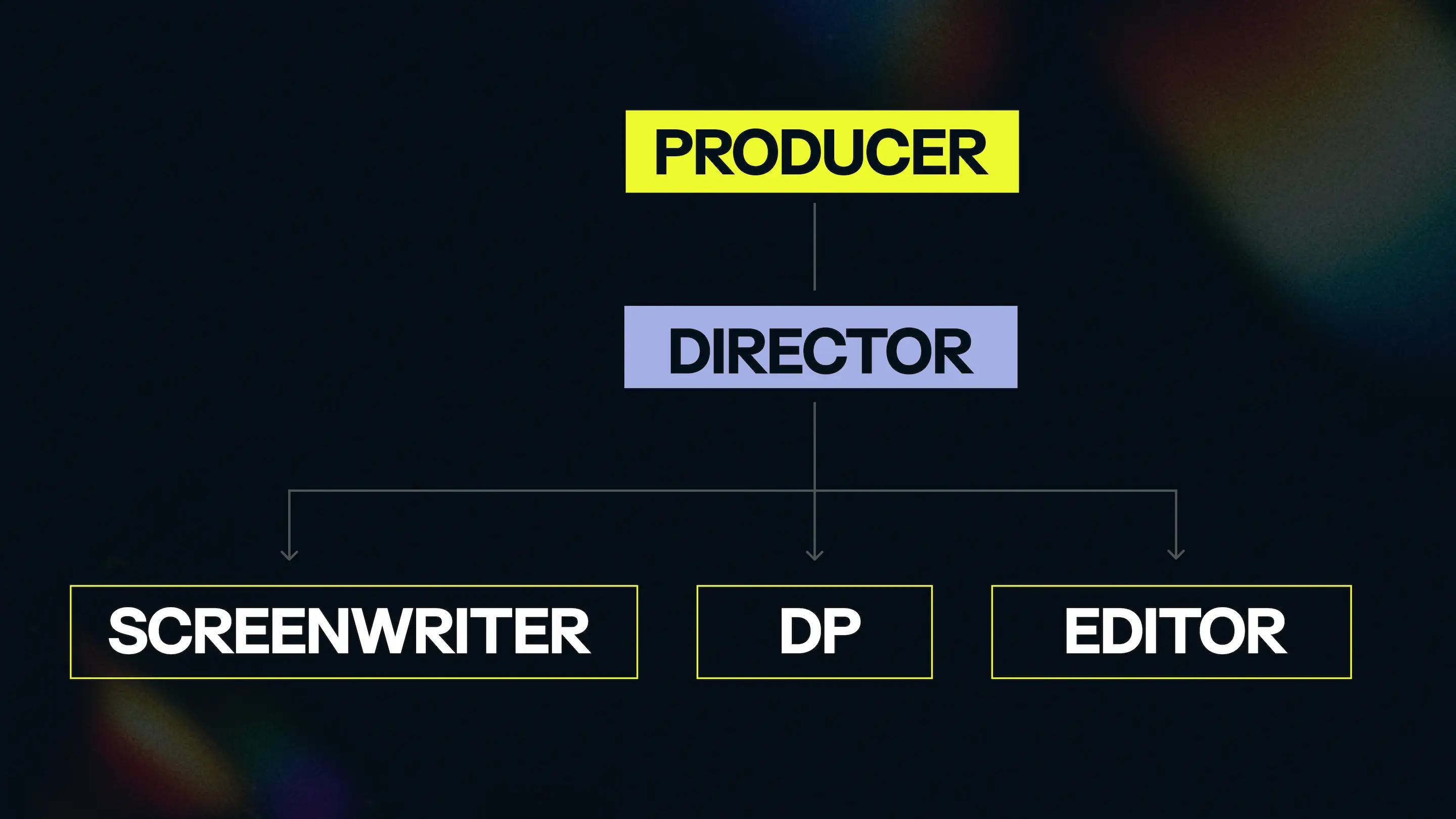
Keep your crew lean, fast, and highly skilled. At a minimum, secure an experienced director, a talented cinematographer (DP), a dedicated production manager, a precise production designer, a focused sound mixer, and an efficient editor. Hire people who solve problems quickly and communicate clearly under pressure.
Step 8. Plan Locations, Sets and Visual Style
Your physical preparation sets the stage for a smooth shoot. Never leave your locations or visual style to chance on the morning of production.
Conduct thorough location scouting weeks in advance. Check for background noise issues, structural safety, adequate power sources, and practical parking for your crew. Secure all necessary city permits and property agreements early.
Work closely with your art director to design sets, source props, and arrange costumes that reinforce your show's narrative themes. Lock in your technical parameters: select your camera packages, plan your lighting setups, and establish a clear visual style sheet to ensure absolute look consistency across every episode.
Step 9. Film the Web Series
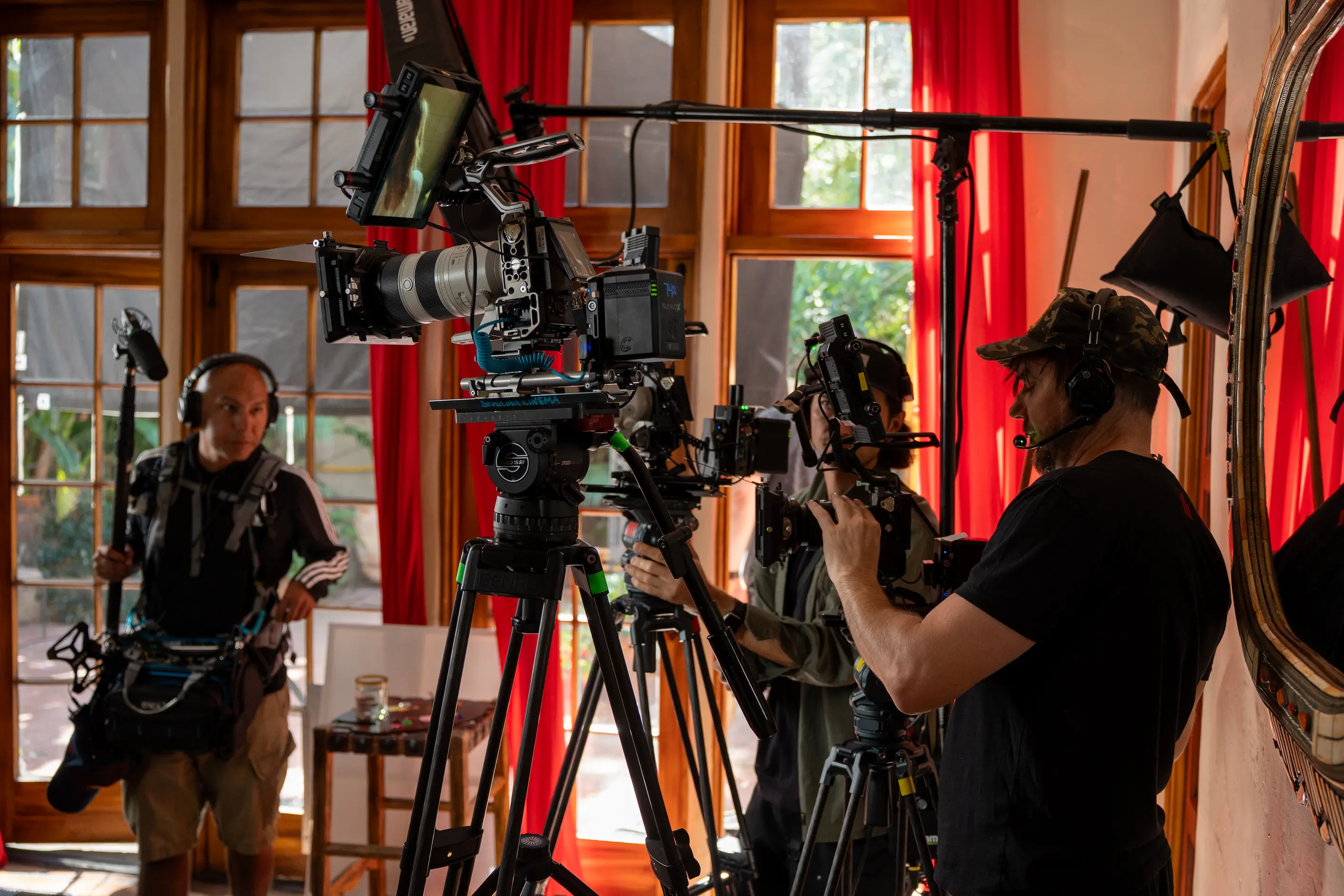
This is the principal photography stage. This is where your planning meets real-world execution. Your main goal here is maintaining operational efficiency while capturing exceptional footage.
Stick strictly to your daily production schedule. Your production manager must track the clock carefully to ensure the team captures all required coverage without running into expensive overtime. Pay close attention to visual continuity across your shots, and ensure your sound mixer captures pristine, clean location audio. Bad video can sometimes pass as a stylistic choice, but bad audio will make an audience turn off your video instantly.
Implement a strict data management routine on set. Back up all raw audio and video files to multiple independent physical hard drives at the end of every single shooting day. Losing footage is costly and entirely preventable.
Step 10. Complete Post-Production
The post-production phase is where you assemble your raw elements into a polished, compelling digital show. This phase requires patience, technical precision, and a critical eye.
Editing. Begin by assembling your raw footage into a rough assembly cut. Refine this into a tight fine cut, cutting out any unnecessary pauses to maximize narrative momentum.
Sound Design. Clean up your location dialogue tracks. Layer in rich ambient sounds, crisp foley effects, and an impactful musical score that heightens the emotional stakes of your scenes.
Colour Grading. Apply a consistent colour grade across your episodes. Use color to unify the look of different cameras and enhance the overall mood of your world.
Graphics & Mastery. Insert clean title sequences, lower thirds, and credit rolls. Export your final master files using high-quality, industry-standard codecs that meet your platform's specifications.
Step 11. Prepare the Series for Distribution
Great content cannot perform well if it is invisible to platform algorithms. You must optimize your finished files for digital distribution networks.
Review the exact technical specifications required by your target platforms, checking resolutions, bitrates, and audio layouts. Create custom, high-contrast thumbnails that capture attention on crowded feeds. Write clear, keyword-rich titles and engaging descriptions that accurately describe your content.
Generate accurate SRT subtitle files for every episode to improve accessibility and boost search discoverability. Finally, map out a strategic release calendar. Decide whether a full-season drop or a weekly episodic rollout fits your audience's habits best.
Step 12. Promote and Measure Performance
Your production work does not end when you hit the upload button. You must actively drive traffic to your series and study how your audience interacts with your story.
Produce an array of promotional assets, including high-energy cinematic trailers, brief teaser clips, and behind-the-scenes content tailored for your social media series feeds. Launch targeted paid advertising campaigns to reach your core demographics directly.
Once your episodes are live, monitor your analytics platforms closely. Study audience retention curves to see where viewers drop off. Track total watch time, overall completion rates, and subscriber growth. Use this hard performance data to optimize your promotional strategy and refine your creative approach for future seasons.
How Much Does Web Series Production Cost?
There is no single universal price tag for creating a digital show. Your total budget depends entirely on the scale of your script, your chosen equipment, and the size of your professional team.
Common Web Series Production Mistakes
Even experienced filmmakers can run into costly issues if they do not respect the unique demands of digital platforms. Watch out for these common production pitfalls:
Ignoring Audio Quality. Beautiful 4K video cannot save a project with muffled, noisy, or distorted dialogue. Invest in a skilled sound mixer.
Overcomplicating the Script. Writing complex action sequences, massive crowd scenes, or dozens of locations on an indie budget slows down your shoot and compromises quality.
Skipping the Series Bible. Proceeding without a clear master reference document leads to inconsistent character behavior and messy visual styles across episodes.
Mispacing for Digital Screens. Using slow, theatrical transitions and over-long introductory scenes will cause internet audiences to drop off in seconds.
Launching Without a Distribution Plan. Assuming an audience will magically find your video without optimized metadata, custom thumbnails, and a real marketing budget ensures your project stays buried.
How AMO Pictures Approaches Web Series Production
At AMO Pictures, we do not believe in safe, generic templates. We do not just build generic corporate videos; we produce stories with real character, sharp pacing, and documented market results.
Our team handles the entire production pipeline from start to finish:
Concept Development & Scriptwriting: We take raw concepts and transform them into episodic structures optimized for modern viewing habits.
Casting & Crew Logistics: We tap into a broad network of exceptional on-screen talent and disciplined, nimble technical crews.
Full-Cycle Production: We manage everything on set, ensuring beautiful cinematography, clean location audio, and tight schedule management.
Post-Production & Localization: We execute precision editing, high-end sound design, colour grading, and seamless translation services for international distribution.
We build high-performance, platform-ready digital series tailored for both horizontal distribution networks and mobile-first vertical apps. If you want to take your digital project from an initial idea to a polished screen reality, learn more about our comprehensive Web Series Production services and let’s build something real together.
FAQ
How do you produce a web series?
To produce a web series, you must treat your creative vision like a structured operational workflow. You begin by refining your core story concept, defining a clear target audience, and writing tight, fast-paced episodic scripts. From there, you build a comprehensive line-item budget, arrange batch-shooting schedules, cast your actors, and hire a specialized crew. After wrapping your principal photography, you guide the footage through professional editing, sound design, and colour grading before optimizing your finished files for your chosen digital distribution platforms.
What is needed to start a web series?
To launch your project effectively, you need a locked script outline for your season, a detailed series bible establishing your tone, a realistic budget, and a basic package of reliable production equipment. More importantly, you need a committed core team — including a director, a cinematographer, an audio recordist, and reliable on-screen talent — alongside a clear digital marketing and distribution plan tailored for your target audience's viewing habits.
How many episodes should a web series have?
A standard independent digital season typically runs between 6 and 12 episodes. This volume gives your narrative enough space to develop meaningful character arcs and build a reliable audience feedback loop, without overextending your production budget or exhausting your creative team during your initial shoot.
How long should a web series episode be?
Episode lengths depend entirely on your target platform and audience preferences. For classic horizontal platforms like YouTube, an ideal episode runs between 8 and 15 minutes to maximize watch-time algorithms. For mobile-first, vertical streaming applications, episodes are highly compressed, running anywhere from 60 to 90 seconds per segment with a relentless focus on rapid plot progression.
Can a production studio manage the full web series process?
Yes. A professional full-cycle studio possesses the infrastructure to handle your entire pipeline. They manage initial concept development, scriptwriting, casting calls, location scouting, crew hiring, on-set filming, comprehensive post-production editing, and final platform-ready formatting, ensuring complete technical and creative consistency across your entire project.
Share