People watch fiction differently now. Some viewers want to sit on a couch, open a laptop, and watch a 30-minute episode with a slow, cinematic buildup. Others want to open an app on their phone and watch a 90-second burst of drama while waiting for their coffee. You cannot force one format into the other. If you take a wide cinematic shot and crop the edges to fit a phone screen, it looks cheap. The audience scrolls past it.
To capture attention, you have to speak the native language of the platform. That is why the entertainment industry divides digital fiction into two distinct categories. When creators and brands compare a vertical series vs web series, they are not just comparing screen sizes. They are comparing two completely different psychological approaches to storytelling.
Let’s break down exactly how these formats work, how audiences consume them, and how you choose the right one for your next project.
Quick Answer
A vertical series is specifically shot in a 9:16 format for mobile screens. The episodes are extremely short, the pacing is aggressive, and the story relies on constant cliffhangers. A web series is a broader, more traditional format. It uses a standard horizontal format, offers longer episodes, and lives on standard digital platforms like YouTube or streaming sites.
What Is a Vertical Series?
A vertical series is a scripted show built exclusively for a smartphone screen. You hold the phone upright. You do not rotate it. You do not cast it to a TV. The entire visual and narrative experience exists within that tall, narrow rectangle.
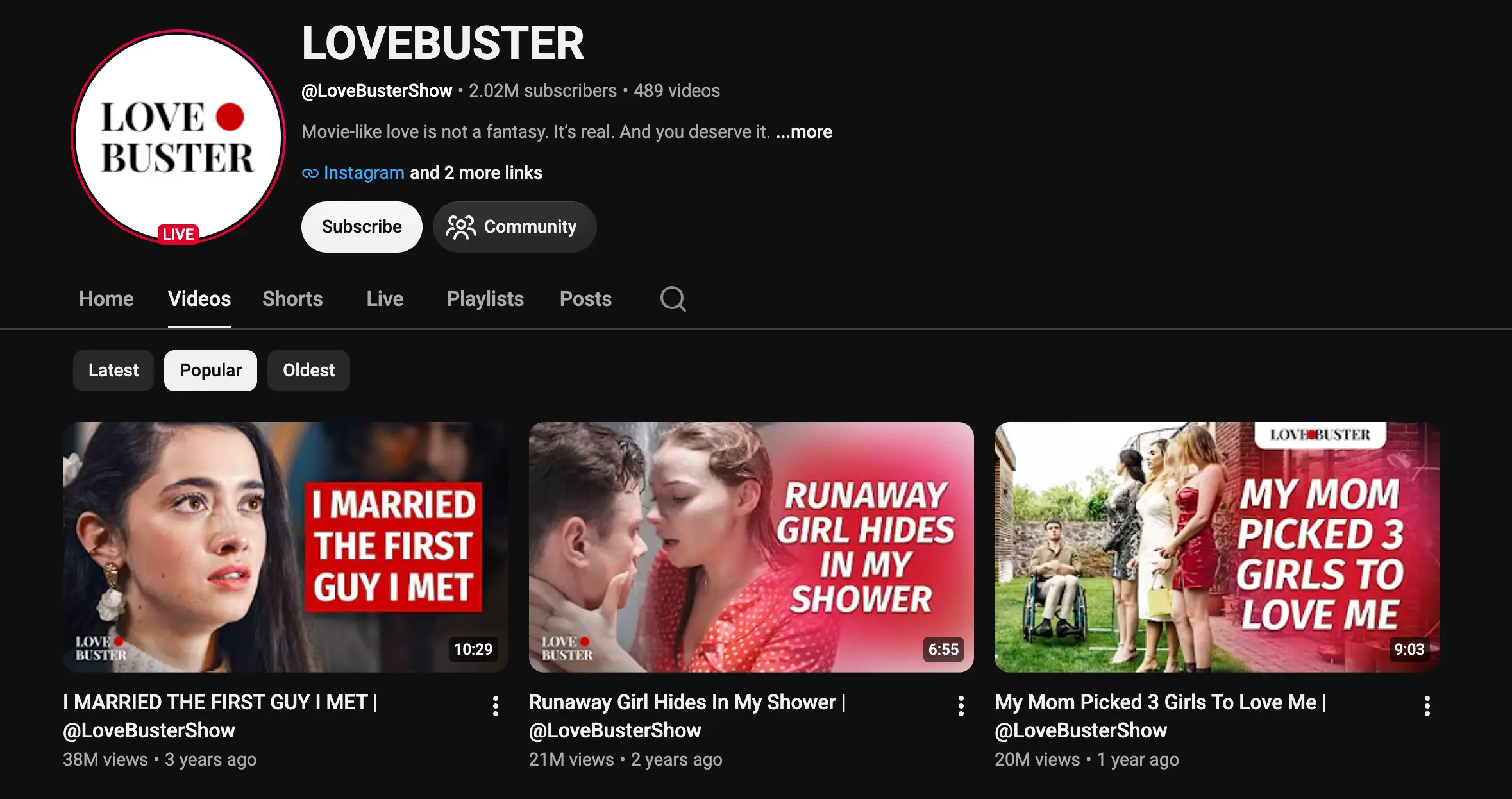
This format did not appear by accident. It evolved from the scrolling habits of modern users. People got used to watching short vertical videos on social media, but they wanted better stories. They wanted recurring characters, high stakes, and professional production. Now, this format is a massive industry. Dedicated drama apps like ReelShort, DramaBox, and My Drama dominate app store charts.
The core feature of this format is short episodes. An average episode lasts between one and three minutes. But do not confuse short runtime with low effort. These are fully scripted series with professional actors, specific lighting setups, and complex post-production.
The pacing is relentless. You do not have time for a slow introduction. The inciting incident usually happens in the first ten seconds. Every single episode must end on an unresolved note — a cliffhanger that forces the viewer to instantly tap to the next episode. It is highly addictive, highly emotional, and extremely fast.
Main Difference Between Vertical Series and Web Series
So, what is the difference between vertical series and web series in practice? It comes down to audience behavior.
When we analyze vertical drama vs web series, we look at how the viewer interacts with the screen. Vertical content fights against constant distraction. The viewer might be on a subway, walking down the street, or standing in line. They have a dozen other apps sending them push notifications. Therefore, the story must grab them immediately and never let go. The viewing habit is active and impatient.
Web shows cater to a "lean-back" audience. A viewer clicks on a YouTube link, makes the video full screen, and settles in. They are willing to invest their time. They tolerate slower pacing because they expect a deeper narrative payoff.
When you compare a vertical video series vs web series, you are essentially comparing an espresso shot to a full dinner. Both give you energy, but they serve completely different needs.
Here is exactly how the two formats compare across key metrics.
Criteria | Vertical Series | Web Series |
Main screen | Smartphone | Desktop, mobile, TV, platforms |
Format | Vertical 9:16 format | Horizontal format or mixed |
Episode length | Usually short (1-3 minutes) | Short episodes, medium or long (5-30 mins) |
Storytelling | Fast-paced, hook-driven | More flexible, character-driven |
Best for | Mobile drama platforms | digital platforms and social media |
Production focus | Vertical framing and short episodes | Broader episodic structure |
Audience behavior | Quick mobile viewing | Longer digital viewing |
When to Choose a Vertical Series
You need platform-specific content to succeed today. Choose a vertical format if your project fits these scenarios:
You target a mobile-first audience. If your viewers consume most of their media on the go, meet them where they already look.
You want to enter drama apps. The mobile drama market is booming. If you want to distribute on platforms that specialize in paid micro-episodes, you must shoot vertical.
Your script is fast-paced storytelling. If your plot relies on high tension, quick reveals, and intense drama, the vertical format amplifies those emotions perfectly.
You focus on short-form fiction. Stories that do not need massive world-building or slow character arcs thrive in one-minute bursts.
You rely on vertical platforms for marketing. If your core strategy involves clipping scenes for a social media drama channel on TikTok or Instagram, shooting natively in 9:16 makes the content look organic.
If your story demands this kind of speed and precision, explore our approach to Vertical Drama Production. We build the pipeline specifically for the smartphone screen.
When to Choose a Web Series
Sometimes, a story needs room to breathe. Choose a traditional web format if you face these scenarios:
You distribute on YouTube / digital platforms. YouTube algorithms reward longer watch times. A horizontal show keeps viewers on your channel longer.
You write an anthology format. Setting up a new world and new rules in every episode takes time. Horizontal shows give you those crucial extra minutes.
You plan a long-running series. A narrative that develops slowly over a multi-season series requires a format that allows viewers to immerse themselves in the world.
You have complex visuals. If your project features extensive visual effects, large ensemble casts, or wide landscapes, a horizontal frame is mandatory.
You need horizontal or mixed formats. If you plan to eventually pitch the show to traditional TV networks or major streaming platforms, horizontal remains the industry standard.
For projects that require deep narrative focus and cinematic visuals, look into our Web Series Production. We structure the shoot to capture the full scope of your story.
Production Differences
This is where the real work happens. The debate of mobile-first series vs web series dictates every decision on set. You cannot use the same production pipeline for both.
Scriptwriting
Web show writers use traditional three-act structures. They establish the setting, introduce characters, create conflict, and resolve it over twenty minutes. Vertical writers use mobile-first storytelling. They throw the viewer straight into the conflict. There is no time to show a character driving to work. The episode starts with the character already arguing in the office. Every 90 seconds must contain a hook, a climax, and a cliffhanger.
Framing
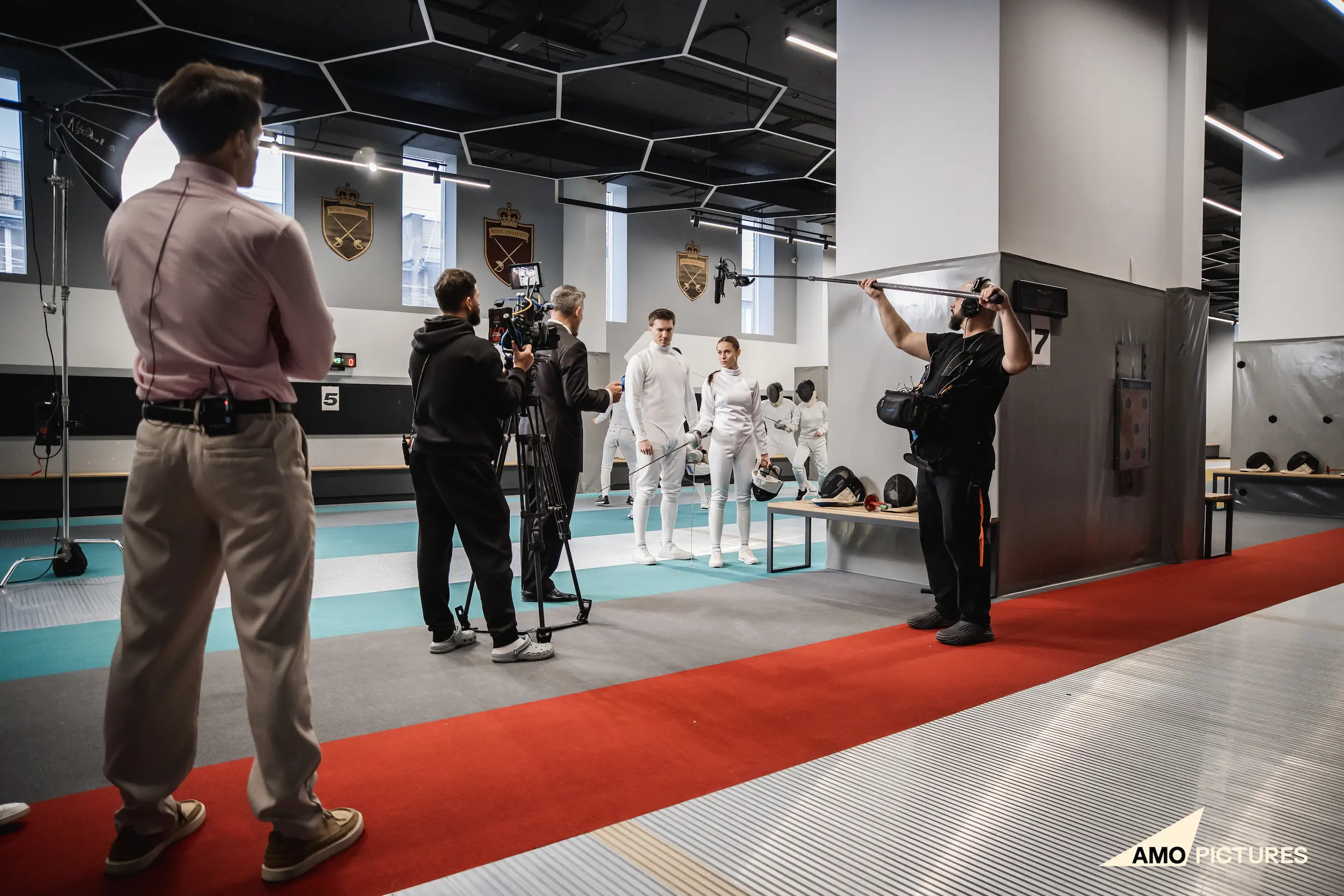
A horizontal frame captures the environment. You can place two actors on opposite sides of the screen and show the room between them. The 9:16 format is narrow. The environment disappears. The camera stays uncomfortably close to the actors. Cinematographers must rely on tight close-ups and center-weighted framing. The actor's face becomes the entire world of the shot.
Filming
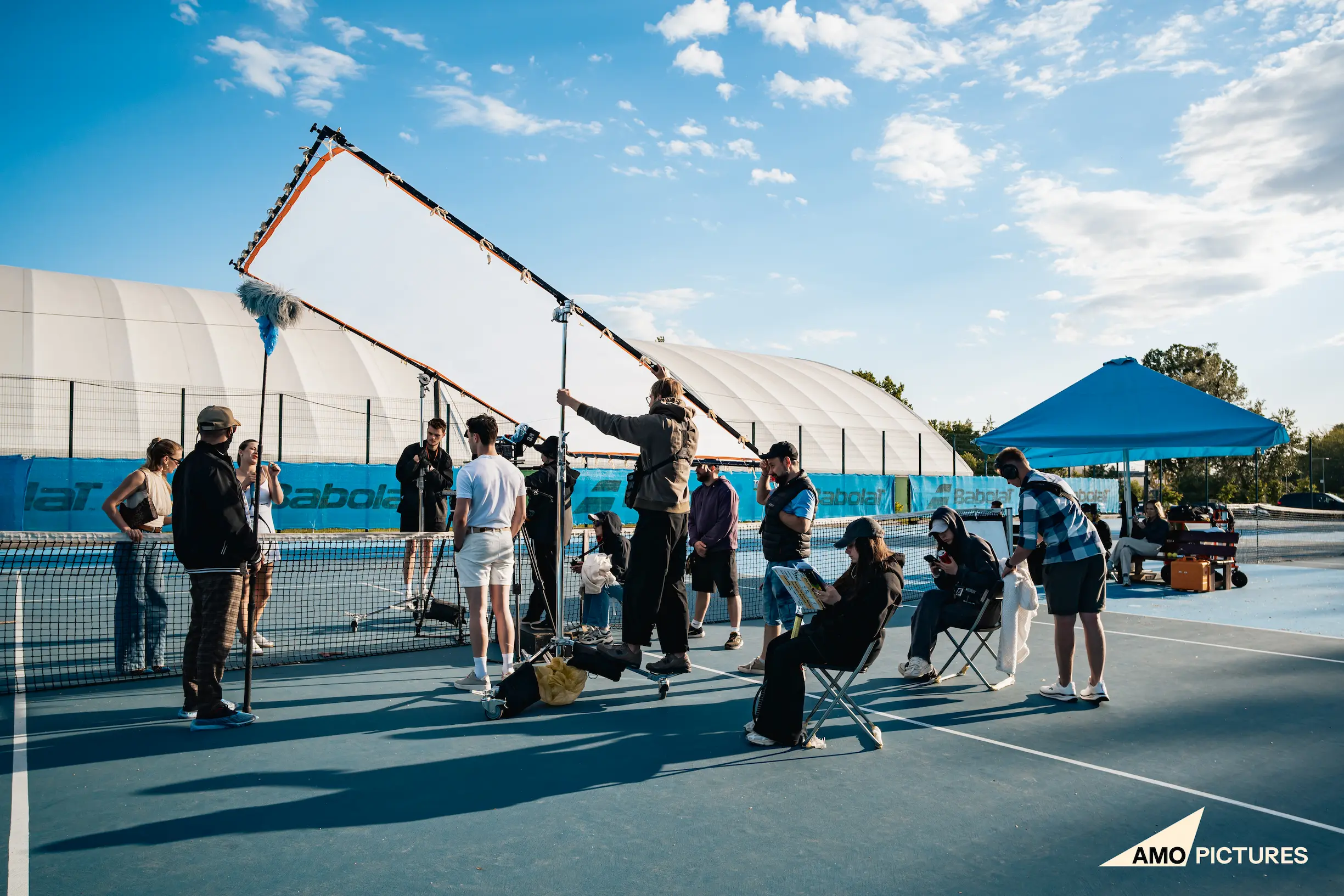
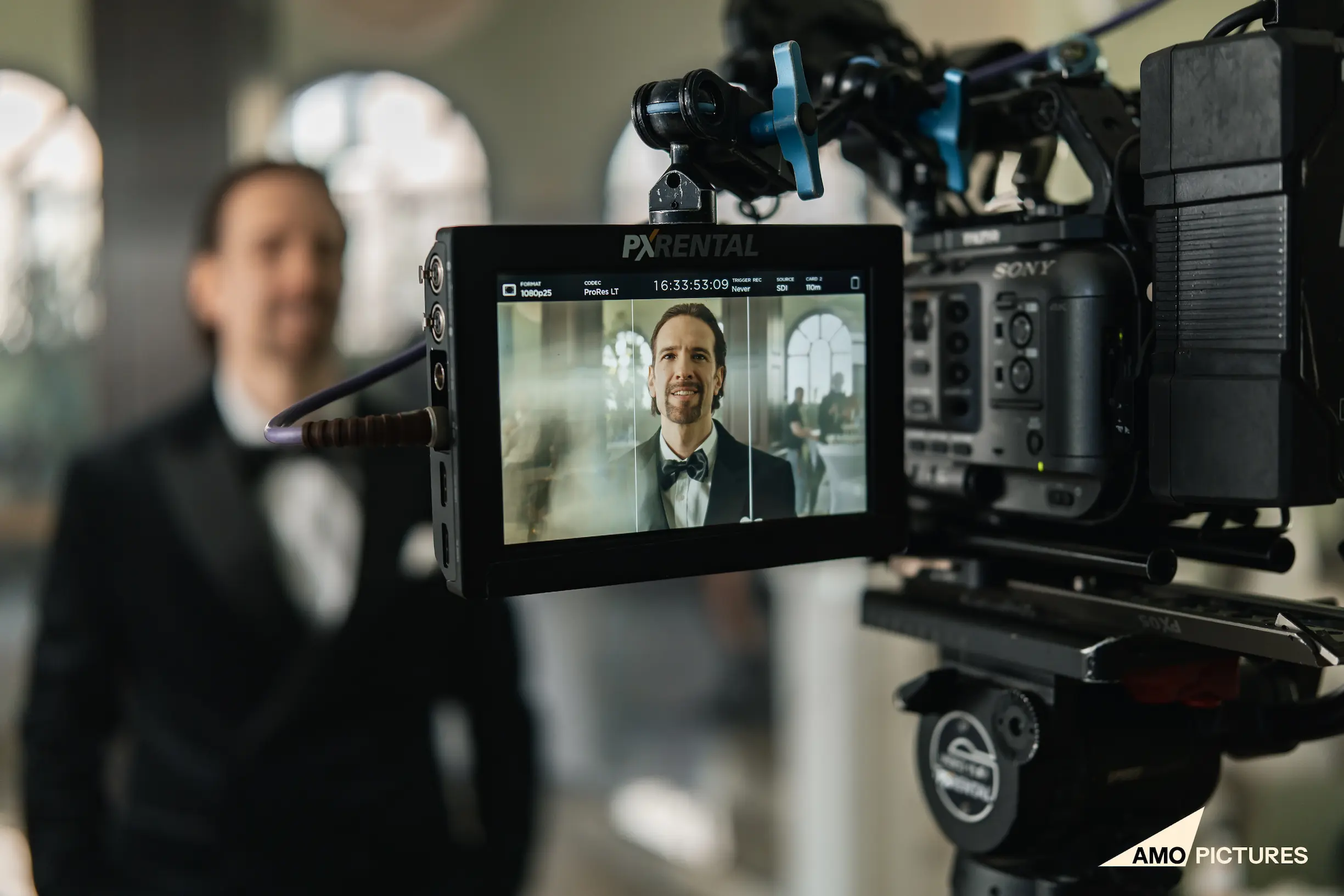
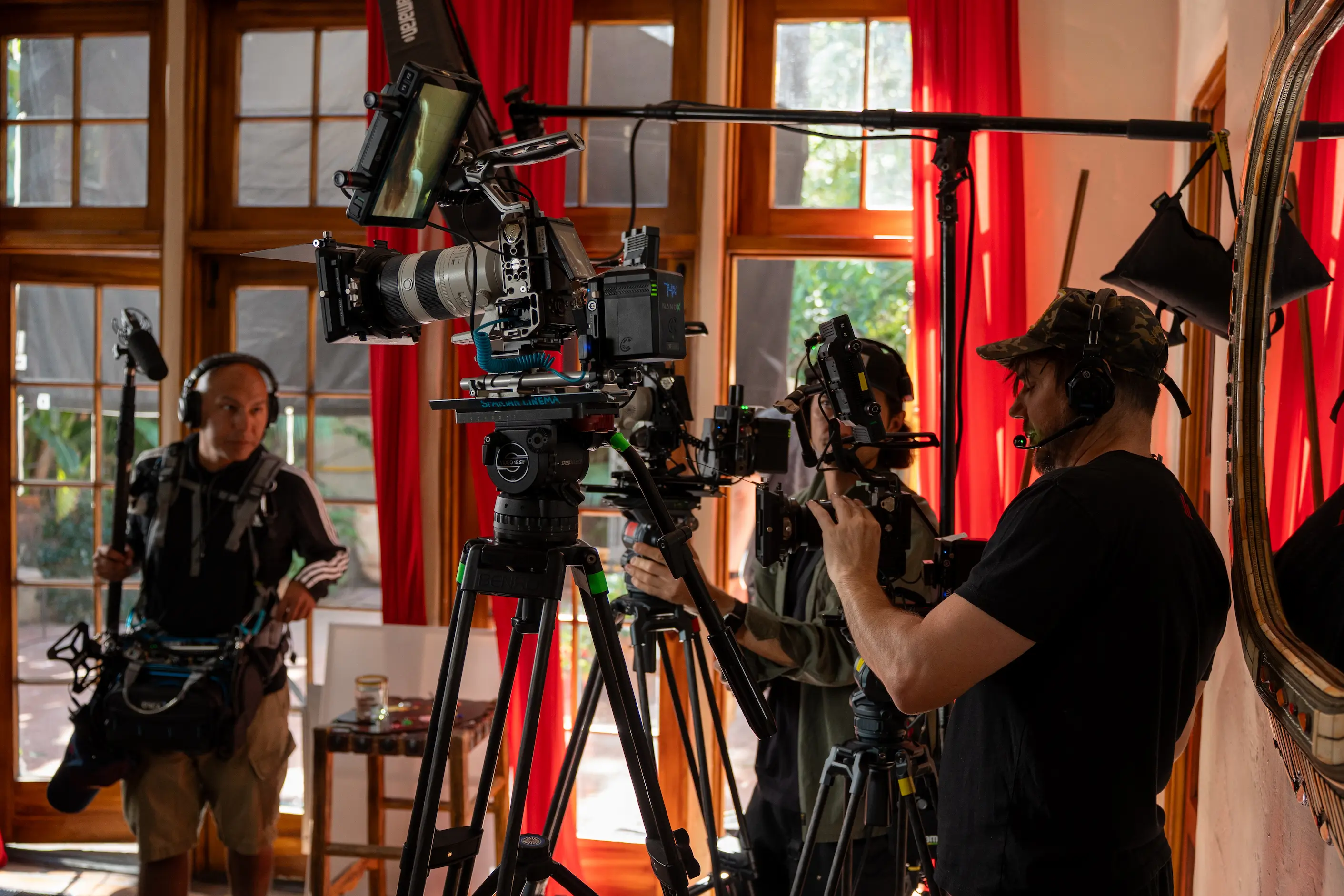
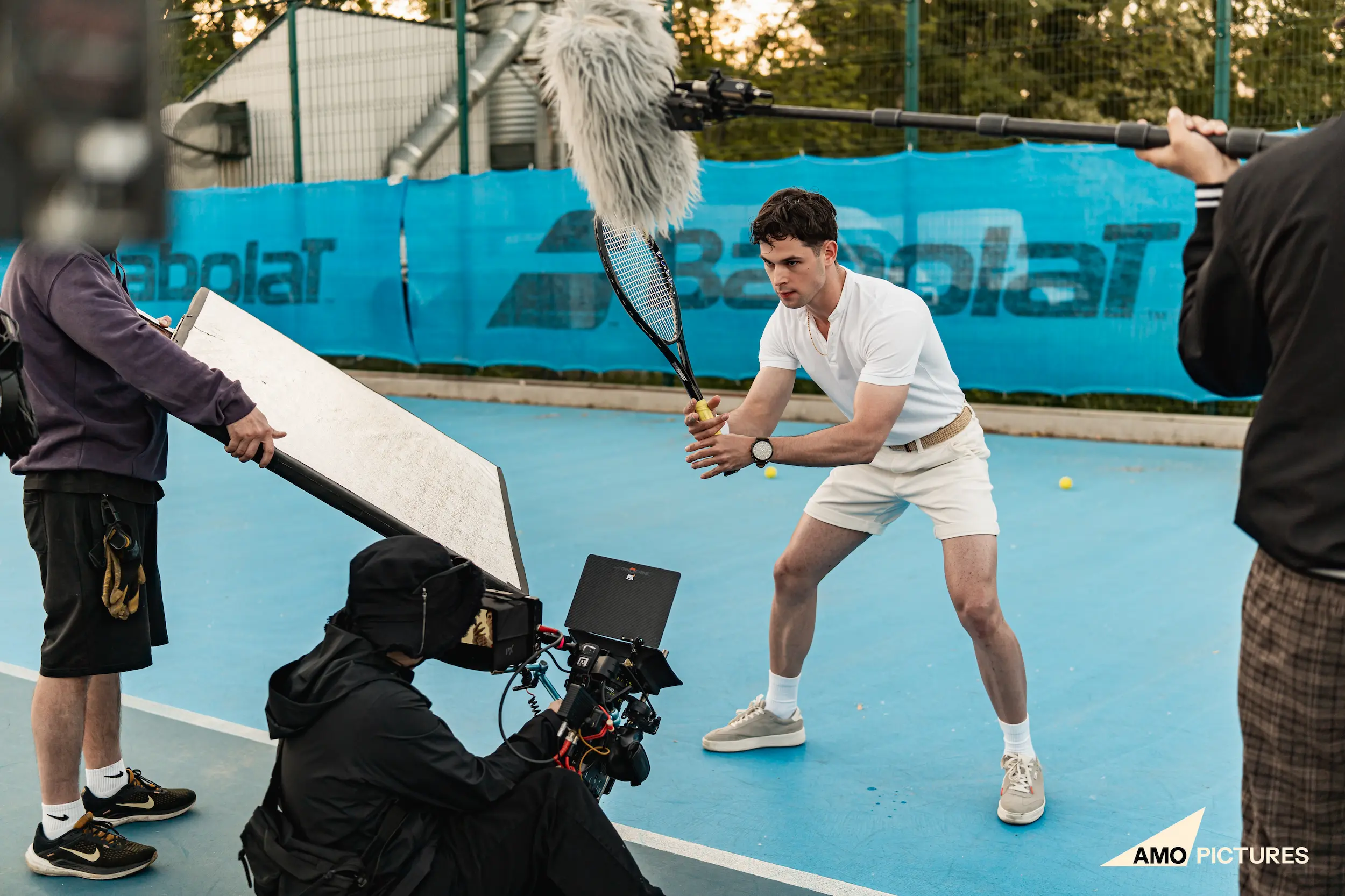
You do not just shoot horizontal and crop the sides. That destroys the resolution and ruins the composition. For vertical shows, we physically rotate the cinema cameras 90 degrees on their rigs. This captures the full 4K resolution vertically. Because the camera is always tight on the actors, we cannot use large, heavy lighting setups. The lighting must be compact, precise, and highly controlled so it stays out of the narrow frame.
Editing
Web editing allows for pauses. An editor might leave three seconds of silence after a dramatic line to let the emotion settle. Vertical editing hates silence. We cut out all the dead space. We use jump cuts to accelerate the action. If someone opens a door, the next frame shows them already inside. Sound design does the heavy lifting here. We use aggressive sound effects, risers, and music drops to keep the viewer’s heart rate up and prevent them from scrolling away.
Which Format Does AMO Pictures Produce?
We produce both. But we never mix the approaches.
We test new formats, analyze platform data, and know exactly what works on a phone screen versus a laptop. To handle both formats without dropping quality, we built a structured ecosystem consisting of 23 distinct production units and an in-house scriptwriting department.
We build a dedicated pipeline for every project. When we shoot a vertical drama, the writers think in 90-second blocks, the camera department rigs the gear for 9:16, and the editors cut for maximum retention. For a web show, we switch to cinematic pacing, wide lenses, and deep character development. This systematic focus allowed our team to complete 85 standalone projects last year, and we are currently scaling our operations to produce 140 new series this year.
We do not just execute scripts; we analyze audience reactions. Tracking retention metrics across millions of views helps us adapt our production methods in real time. We do not pretend that one format is superior to the other. We simply choose the right tool for the story.
The choice between a vertical series and a web series defines your entire project. It dictates how you write the script, how you rig the cameras, and where your audience will find you. If you want to grab a mobile audience with fast, addictive storytelling, go vertical. If you want to build an immersive world with cinematic depth for a dedicated digital audience, choose the web format.
Do not compromise on the execution. Figure out where your audience lives, and build the story for that specific screen.
FAQ
Is a vertical series just a long TikTok video?
No. While they share the same screen orientation, vertical dramas are professionally produced fiction. They have real budgets, specialized scripts, professional actors, and dedicated crews. They are mini-movies, not casual vlogs.
Can I shoot one series and release it in both formats?
We strongly advise against it. The framing rules are too different. If you shoot a scene to look good horizontally, cropping it vertically usually cuts off the actors or leaves awkward empty space. If you want to succeed, commit to the native format from day one.
What genres work best for vertical formats?
When analyzing vertical drama vs web drama, the vertical format favors high emotion. Romance, revenge thrillers, family conflicts, and fast-paced fantasy work perfectly because they rely on intense, immediate reactions rather than slow world-building.
Do web series still work today?
Yes. Mobile consumption is huge, but audiences still seek out deep, immersive stories. YouTube remains one of the largest search engines and video platforms in the world, and it heavily favors horizontal web shows.
How fast can you produce a vertical series?
Very fast. Because vertical shows use tight framing, we do not need to dress massive sets. We shoot efficiently. A full 60-episode vertical season (about 90 minutes of total runtime) can often be shot in just a week, whereas a web show of the same length might take a month.
Which format brings more profit?
It depends on your monetization model. Vertical apps rely heavily on micro-transactions, paywalls, and subscriptions. It is a booming, multi-billion-dollar market. Web shows usually rely on platform ad revenue, brand sponsorships, or licensing deals.
Share