Smartphones have become the default screen for content consumption. As a result, entertainment formats have started adapting to mobile viewing habits. One of the clearest examples is vertical drama — scripted fiction designed specifically for smartphone screens.
In this guide, we'll explore what vertical dramas are, how they differ from traditional web series and short-form videos, and why they have become one of the fastest-growing segments of the global entertainment industry.
Quick Answer
A vertical drama is a specialized form of short-form fiction consisting of highly serialized, ultra-short episodes engineered specifically for smartphones. Typically ranging from 60 to 90 seconds per episode, this type of vertical series relies on intense emotional hooks, rapid pacing, and immediate cliffhangers to capture a busy, modern mobile-first audience. Unlike user-generated clips, a vertical short drama is fully scripted, professionally produced, and distributed through dedicated drama apps.
What Is a Vertical Drama?
To grasp the true vertical drama meaning, we must look past the physical orientation of the screen. A vertical drama is a smartphone-first drama created specifically for mobile viewing and designed around the habits of a mobile-first audience. Unlike traditional television or film, every element of a vertical drama series is adapted for the 9:16 format. Directors rely on close-ups and character-focused framing, while writers structure stories around short episodes, emotional hooks, and frequent cliffhangers.
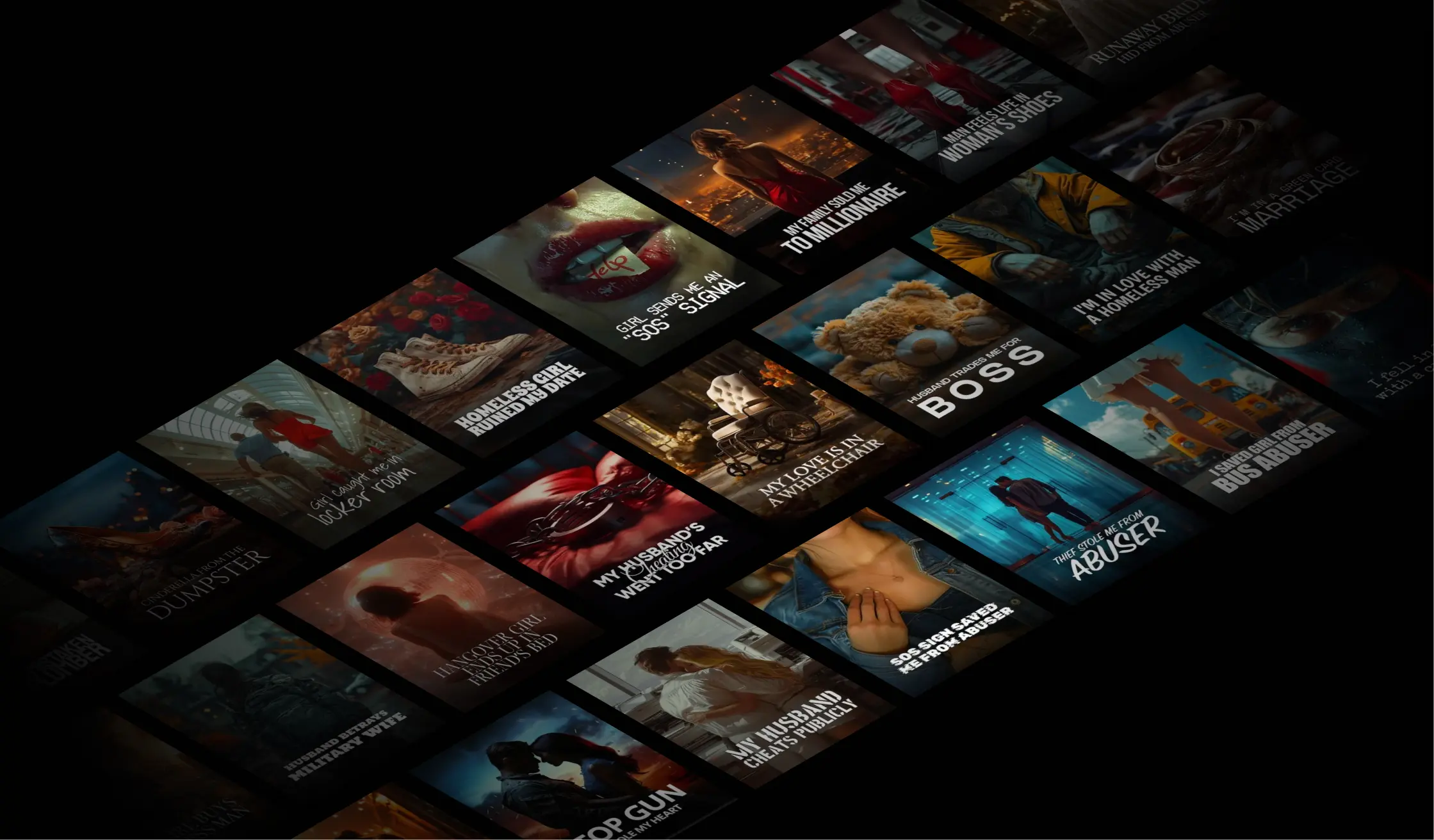
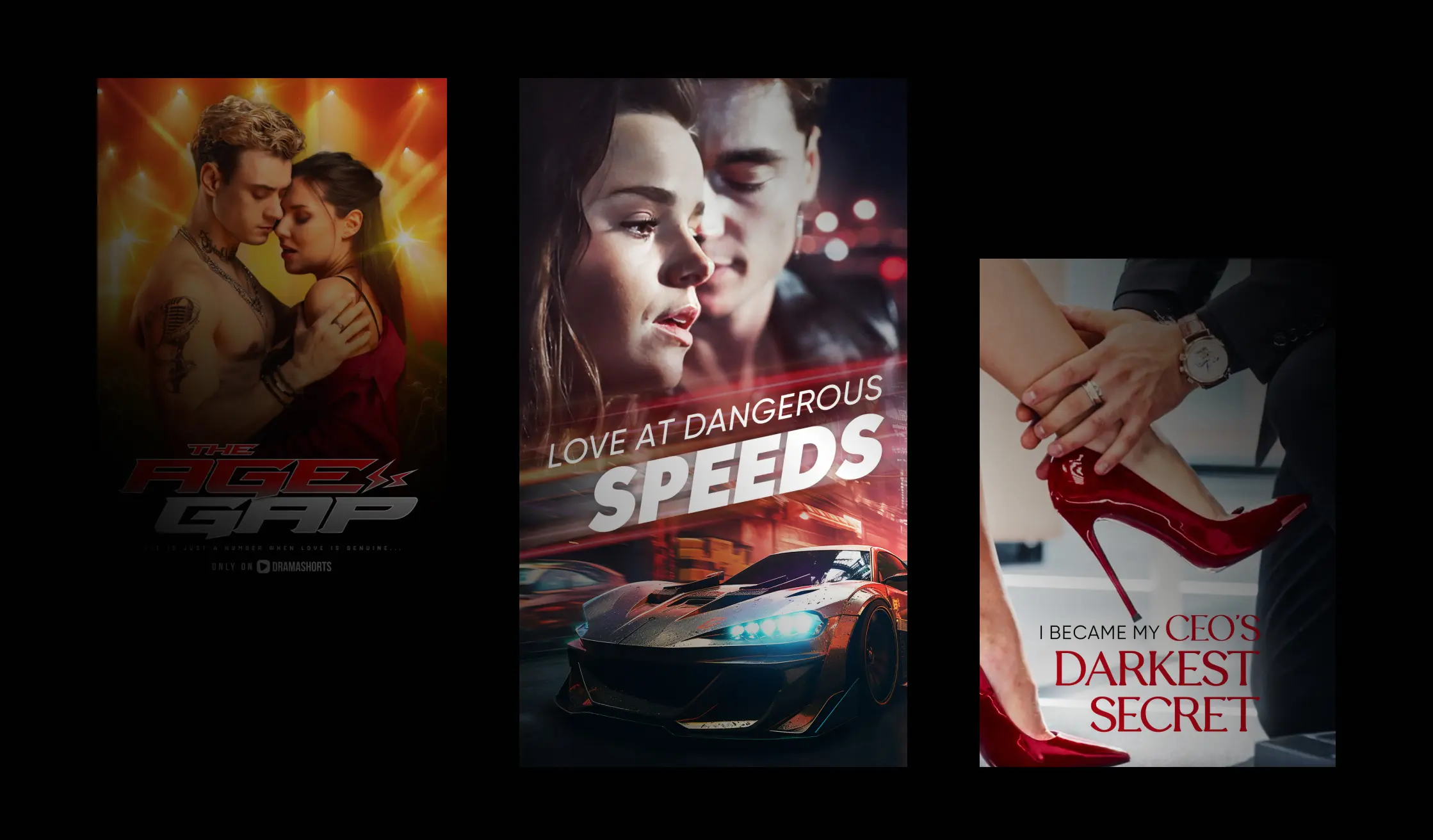
Most vertical storytelling also focuses on highly engaging genres such as romance, family drama, revenge, thrillers, and fantasy. As a result, vertical short drama productions combine the production standards of scripted fiction with viewing patterns more commonly associated with social platforms and mobile entertainment.
The Evolution: From Social Clips to Premium Series
Vertical drama didn't emerge out of nowhere. Before dedicated drama apps appeared, vertical video was largely associated with social media content — short clips created for platforms like TikTok, Instagram, and Snapchat.
As smartphone viewing became part of everyday life, audience expectations started to change. Viewers still wanted convenience and quick entertainment, but many were also looking for stories with recurring characters, emotional stakes, and ongoing plotlines.
This created space for a new format. Production companies began experimenting with scripted vertical series built specifically for mobile screens, combining the accessibility of short-form fiction with the structure of traditional scripted storytelling. What started as a series of experiments eventually developed into today's vertical short drama market, where professionally produced stories are distributed through dedicated drama apps and short drama platforms.
Why Vertical Dramas Became Popular
East Asia became the first major market for vertical drama. Around 2020, Chinese audiences rapidly embraced serialized short-form fiction distributed through platforms such as Douyin, Kuaishou, and WeChat.
The format didn't stay local for long. Producers quickly recognized that the same model could work in other markets, and new vertical drama series soon began appearing in different languages with local casts and region-specific storylines. Within a few years, vertical short drama had grown from a regional phenomenon into a global entertainment category.
Industry forecasts suggest that growth is far from over. According to Omdia, the global microdrama industry generated approximately $11 billion in revenue in 2025 and is projected to reach $14.5 billion by the end of 2026.
The success of the format largely comes down to convenience. People still enjoy long-form storytelling, but they don't always have time for a 40-minute episode. Short episodes are easier to fit into a commute, a lunch break, or a few spare minutes between daily tasks.
Additional research from Deloitte shows that global in-app revenue for micro-series content has more than doubled in recent years, highlighting a growing willingness among audiences to pay for mobile-first entertainment.
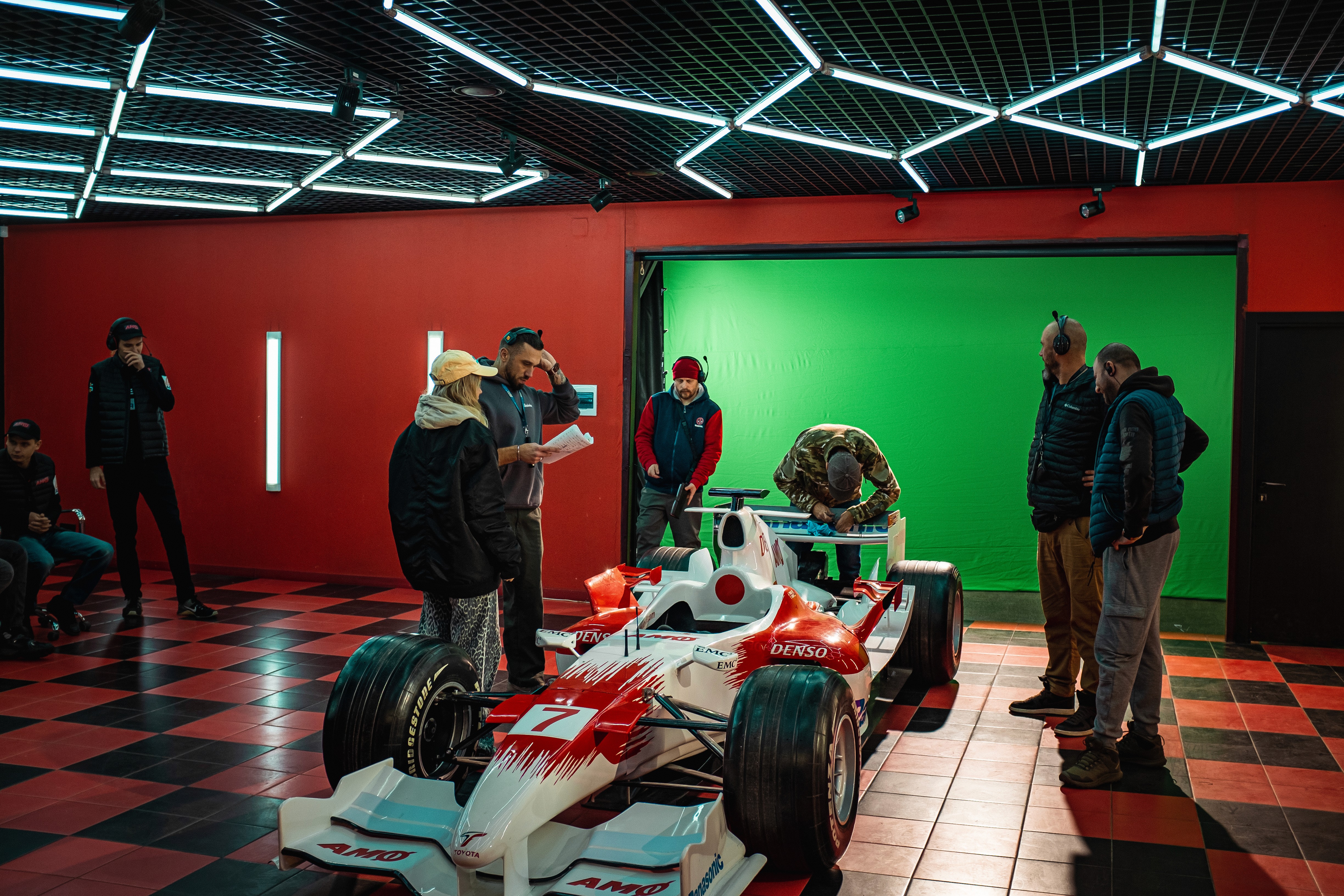
Key Features of Vertical Drama
What separates this format from everything else on your phone? A successful vertical short drama relies on specific technical and narrative rules:
Vertical 9:16 Format: Directors film and frame the action natively in portrait mode, ensuring the cinematic image perfectly fills a smartphone layout.
Short Episodes: Most episodes run between 60 and 120 seconds, allowing stories to move quickly while fitting naturally into mobile viewing habits.
Emotional Hooks: Every episode hooks the viewer within the first 5 seconds to capture immediate interest.
Fast Pacing: Writers strip away unnecessary subplots, leaving only the high-stakes core conflict to drive the story forward.
Mobile-First Framing: Cinematography prioritizes central framing and close-ups, ensuring characters' expressions dominate the narrow space.
Scripted Fiction: Unlike casual vlogs, these series feature professional actors, crewed production teams, and tight script structures.
Addictive Cliffhangers: Every segment ends on a shocking revelation or suspenseful beat, driving audiences toward continuous viewing.
How Vertical Drama Is Different From Short Videos
It is easy to confuse a vertical series with standard social clips, but they belong to entirely different categories of modern media.
Format | Screen Orientation | Episode Length | Story Type | Main Platform |
Vertical drama | Vertical 9:16 format | Short episodes (1–2 mins) | Premium scripted fiction | Mobile drama apps |
Web series | Horizontal / mixed | Medium (10–20 mins) | Scripted fiction | Digital video platforms |
Social short video | Vertical | Very short (15–60 secs) | Entertainment / viral | Social media (TikTok, Reels, Shorts) |
While TikToks, Reels, and YouTube Shorts rely heavily on user-generated content, unscripted viral trends, or casual background music, a vertical drama series offers a continuous, multi-part story. It utilizes structured episodic storytelling to develop characters and relationships over 60 to 100 consecutive episodes. Social video platforms prioritize short, self-contained content, vertical dramas focus on narrative immersion.
Where People Watch Vertical Dramas
Most vertical dramas are distributed through dedicated drama apps and short drama platforms, which are specifically designed for mobile viewing. Among the best-known examples are ReelShort and DramaBox, both of which have attracted large international audiences in recent years.
Many of these platforms operate on a freemium model. Viewers can typically watch the first several episodes for free before unlocking additional content through advertisements or in-app purchases.
Social media also plays an important role in content discovery. Production companies frequently publish trailers, clips, and promotional content on platforms such as TikTok, Instagram, and YouTube, helping audiences discover new vertical drama series before continuing to watch them through dedicated apps.
The Visual Mechanics: Framing for the Portrait Screen
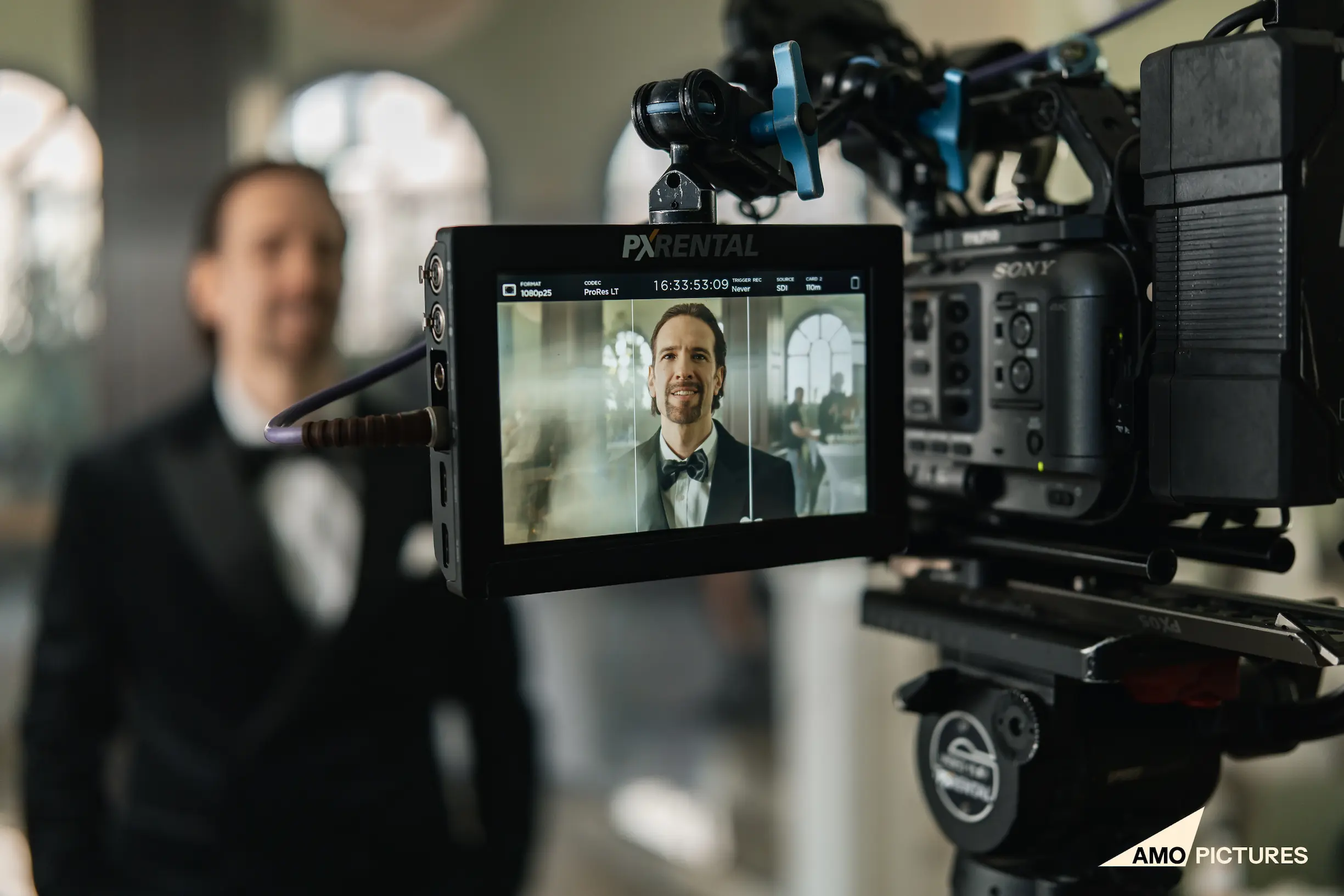
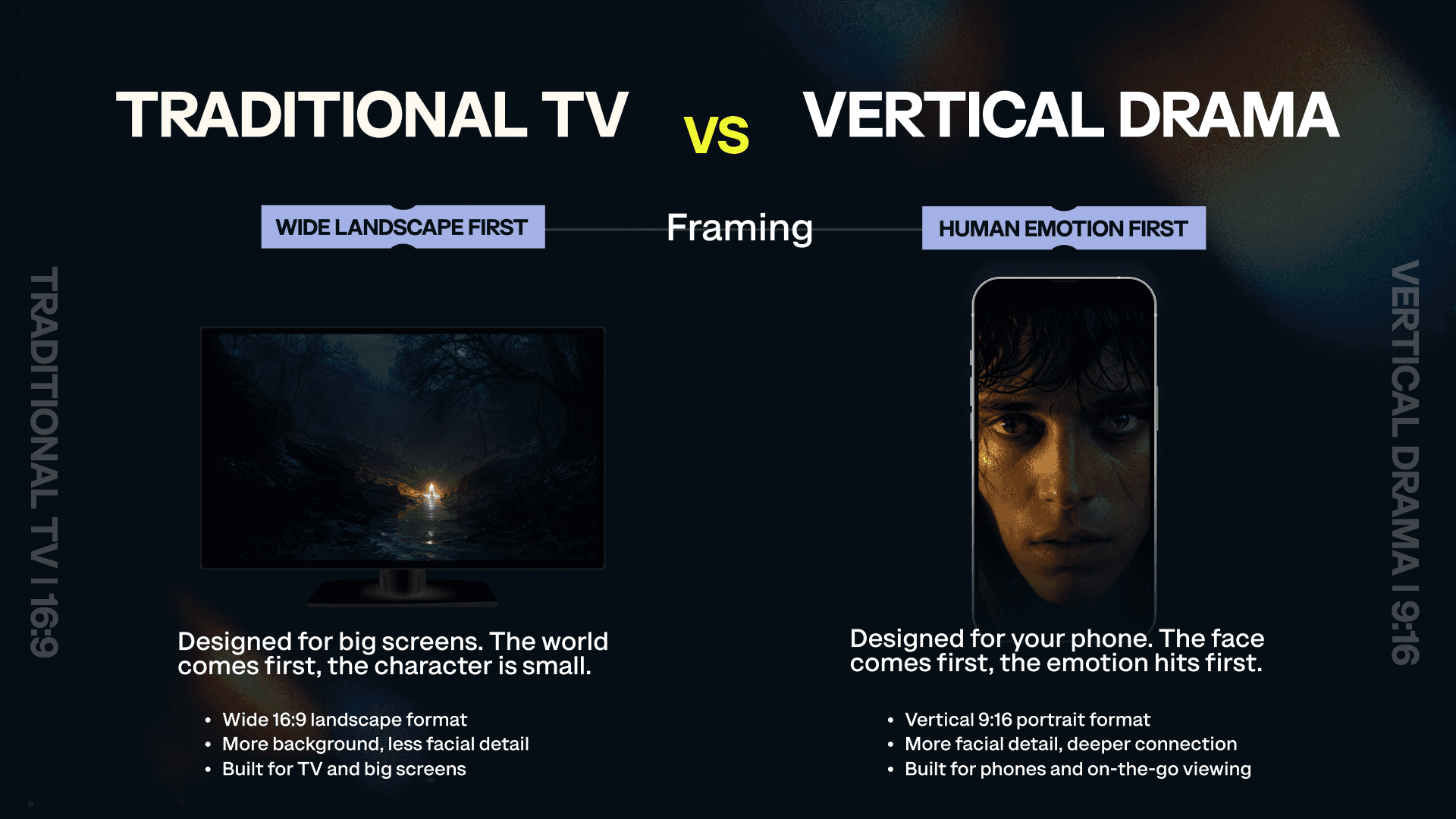
Filming vertically changes how a director uses the camera. In traditional cinema, the wide 16:9 frame allows multiple characters to stand side-by-side, sharing the environment. The background helps tell the story. In vertical storytelling, the screen accommodates only one or two people comfortably.
As a result, directors often rely on close-ups, layered positioning, and frequent shot changes to maintain visual clarity. When multiple characters appear in the same scene, blocking and composition become especially important because the frame offers less horizontal space than traditional formats.
Eye lines become critical. Because the screen is narrow, even a tiny glance away from the center feels massive to the viewer. This technical limitation actually amplifies the drama, turning every micro-expression into a major plot point.
Why This Format Matters for Production Studios
For production companies, vertical storytelling requires a different creative and operational approach than traditional television or film.
The format changes how stories are written from the very beginning. Because viewers consume content in short sessions, writers need to establish conflict quickly, maintain momentum throughout the episode, and end each segment with a compelling reason to continue watching.
This affects the entire structure of a vertical drama series. Instead of building toward a handful of major turning points, the story unfolds through a sequence of smaller reveals, cliffhangers, and emotional payoffs designed to sustain audience attention across dozens of episodes.
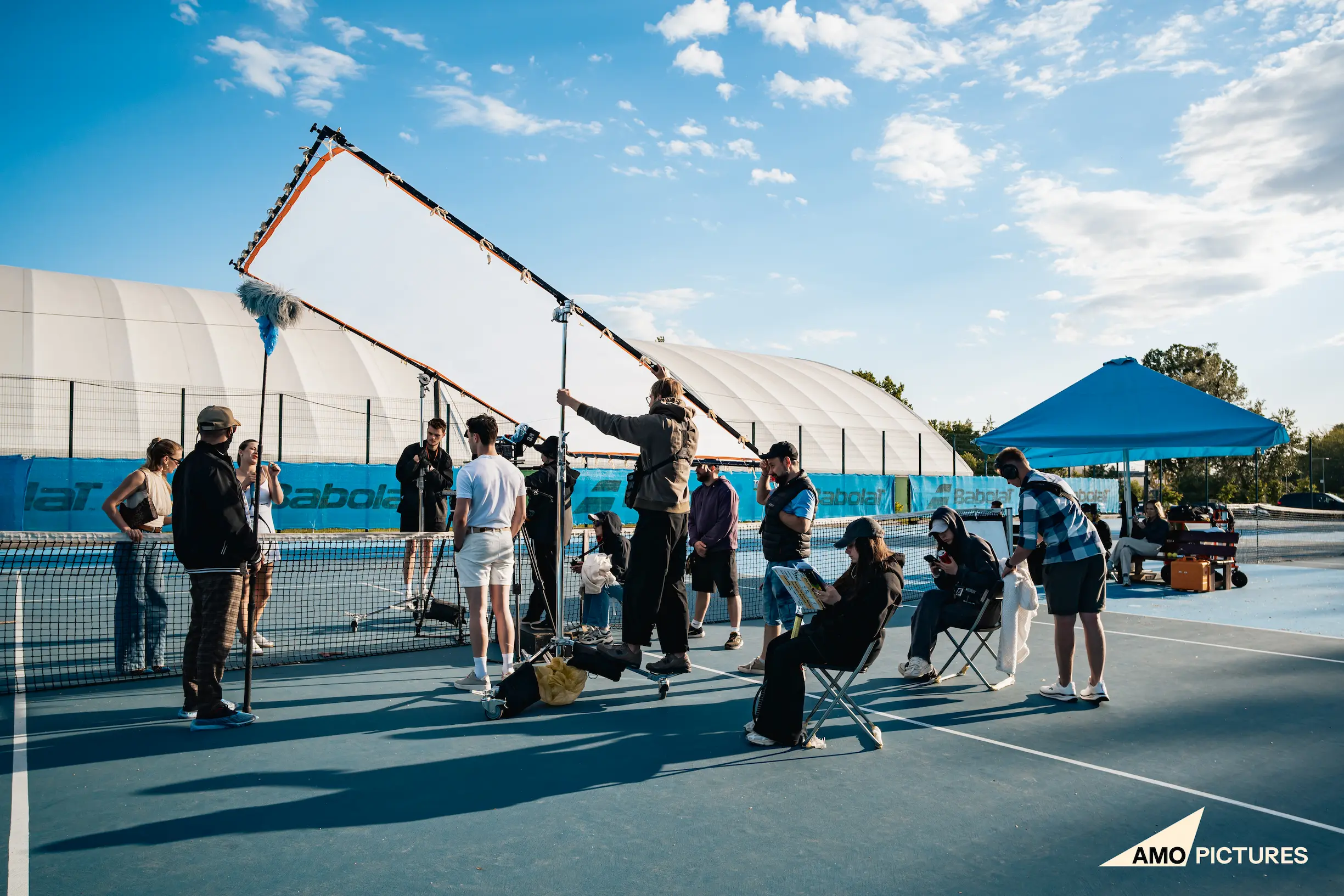
Production workflows are different as well. Many vertical drama projects are filmed on highly compressed schedules, with an entire season often completed within a matter of days. This requires careful planning across development, casting, production, and post-production.
The real challenge is maintaining consistent storytelling, performance quality, and production value while working at a much faster pace than traditional scripted formats.
AMO Pictures and Vertical Drama Production
As the market for vertical drama continues to grow, production companies are adapting their workflows to meet the demands of mobile-first audiences. At AMO Pictures, this format has become one of the key areas of production development.
Today, we produce original vertical drama series for global streaming platforms, combining in-house creative development with large-scale production capabilities. Our team includes 23 production units and an internal scriptwriting department focused on creating stories specifically for mobile viewing.
In 2025, AMO Pictures produced 85 standalone projects. In 2026, we plan to expand production to 140 new series, reflecting the growing demand for mobile-first fiction across international markets.
Working at this scale allows us to test new storytelling approaches, explore different genres, and continuously refine our production processes. As audience habits continue to evolve, we see vertical storytelling not as a replacement for traditional formats, but as a distinct creative space with its own opportunities, challenges, and audience expectations.
FAQ
What is the average length of a vertical drama?
Most vertical drama series consist of 60 to 100 episodes. Individual episodes typically run between 60 seconds and 2 minutes, making them easy to watch during commutes, breaks, or other short moments throughout the day.
How do vertical drama apps monetize their content?
Most short drama platforms use a freemium model. Users can usually watch the first episodes for free and then unlock additional content through ads, subscriptions, or in-app purchases.
Are vertical dramas the same as TikTok videos?
No. While both formats are designed for vertical viewing, vertical drama is scripted fiction produced by professional creative teams. Unlike most social media videos, it follows a continuous storyline with recurring characters and multiple episodes.
Why are romance and drama the most popular genres in this format?
Romance and drama work especially well in vertical storytelling because the format naturally emphasizes faces, emotions, and character interactions. A close-up that might feel ordinary on a TV screen often feels far more intimate on a smartphone.
Can you watch vertical dramas on a television screen?
Technically, yes. However, vertical drama series are filmed and edited for the 9:16 format, so the viewing experience is optimized for smartphones rather than television screens.
How long does it take to shoot a full vertical series?
Many vertical drama series are produced on highly compressed schedules. While timelines vary from project to project, an entire 80-episode season can often be filmed in just 5 to 7 days.
Ready to experience the next evolution of digital entertainment? Explore how we bring cinematic stories straight to your smartphone screen by visiting our Vertical Drama Production page.
Share